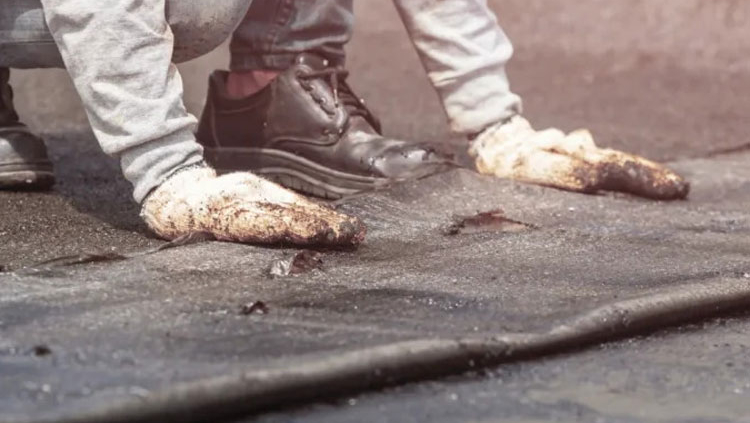
How to tell counterfeit geomembrane from quality sheet: recycled materials, fake carbon black, misstated thickness, and simple checks for appearance, smell and weight.

How to tell counterfeit geomembrane from quality sheet: recycled materials, fake carbon black, misstated thickness, and simple checks for appearance, smell and weight.
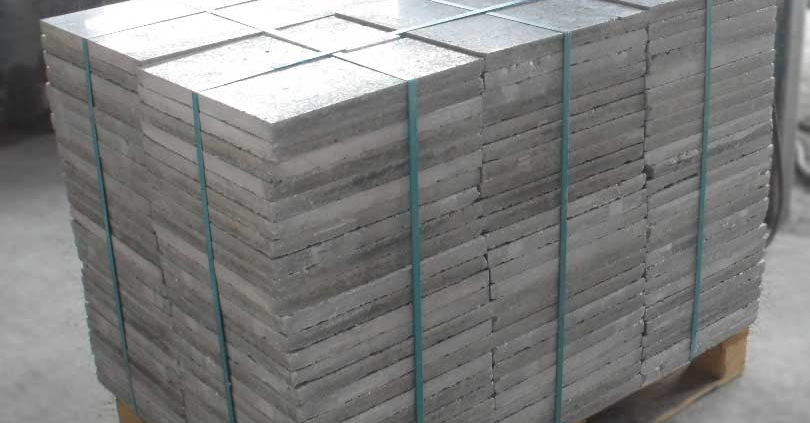
Steel, PP and PET strapping compared: strength, elasticity, recovery and cost, the damage straps can cause to packages, and how edge protectors prevent it.

Plastic pallets aren’t just for shipping: use them as warehouse and roof-garden flooring, wall cladding, furniture, beds and fences. Ideas and benefits.
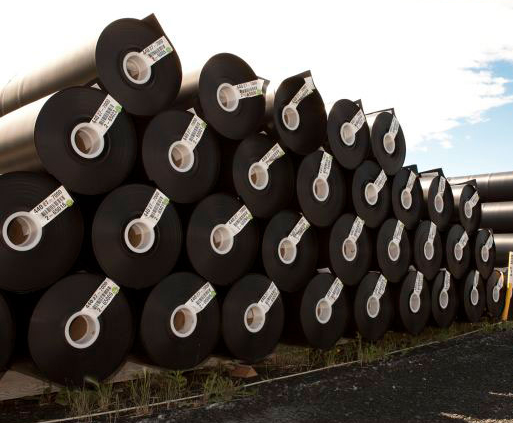
What is geomembrane? HDPE, LDPE, PVC and PP types, typical thicknesses, a 30–50 year service life, and how geomembrane is used and installed in lining projects.
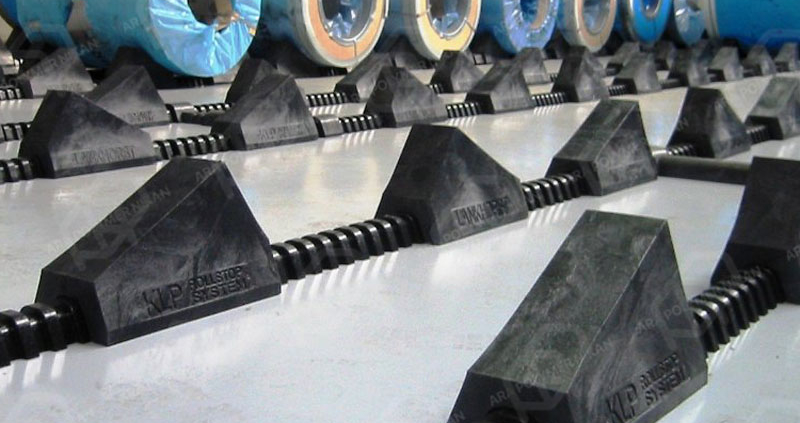
What is a coil saddle? How polymer saddles are used to store and transport steel, copper and aluminium coils, the main types and why polymer saddles last longer.
Ara Polymer Nikan three-layer geomembrane: an HDPE core with LDPE outer layers for lining ponds, foundations, hydraulic structures and effluent ponds, with a 10-year warranty.
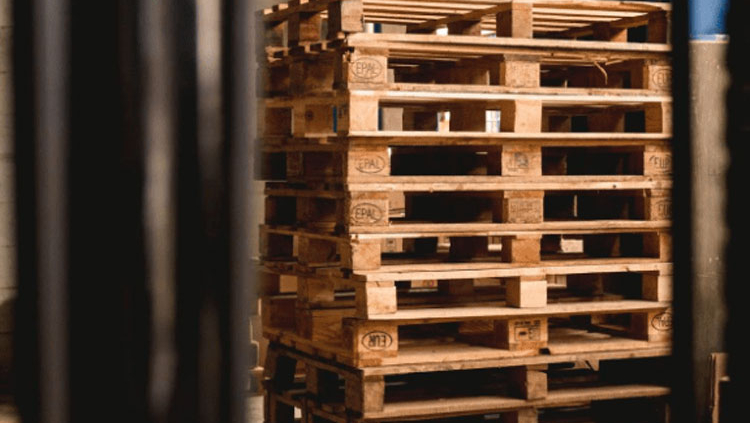
Why wooden pallets cause problems: breakage, rot, mould, deforestation and hidden maintenance costs — and why industries are switching to plastic pallets.

A polymer is a material made of very large molecules (macromolecules). These large molecules are formed by repeating and linking small units (monomers). Depending on the type and number of monomers and how they repeat and are arranged in space, polymers with a wide range of properties are produced. In the petrochemical industry, polymers are divided into commodity and engineering polymers. The most widely used polymers in the petrochemical industry include polyethylene, polypropylene, polyethylene terephthalate, polyvinyl chloride, polystyrene and acrylonitrile butadiene styrene.
Thread, silk, natural rubber, ivory, amber and wood are some of the materials that naturally have an organic macromolecular structure, while quartz and glass have an inorganic macromolecular structure.
Materials whose macromolecular structure is repeated synthetically are polymers.
Polyethylene (polyethene) is the most common plastic on earth. It is also the polymer most used in everyday life and is produced chemically from ethylene. Polyethylene can be melted and easily returns to its solid state, which is why it is used in many products such as plastic bags, films and plastic containers. As a result, polyethylene has a very wide range of uses.

Increasing exports is one of the ways to develop any country’s economy. Like any other process, exporting has its own infrastructure, rules and methods that must be learned and applied. One important piece of infrastructure that can support exports is professional, well-designed packaging — in terms of graphics and industrial design as well as production. In Iran today, because products are mostly exported in bulk, the most important role of packaging is to keep goods intact until they reach their destination; done properly, this improves customer satisfaction and, in turn, increases exports. Packaging is a coordinated system whose purpose is to protect the product for storage, warehousing, transport, distribution, sale and use, in a way that causes the least harm to the product from production to consumption, and to the environment. Packaging is a complex, dynamic, scientific and creative commercial activity which, in its most basic form,
covers the functions of protection, preservation, transport, information and sales.
Packaging standards have become so important that international (ISO) standards have been defined for them. Alongside legal requirements, consumer rights must also be respected so that customers can make informed choices.
For all these reasons, packaging can be considered one of the most effective and important factors in increasing exports. The role packaging plays in sales cannot be removed or replaced. That is why Ara Polymer Nikan, with more than three decades of experience producing high-quality packaging components for export products, is at your service.

One of the main causes of environmental pollution is burying waste, dumping it into water or burning it. Much of this waste consists of waste paper, cardboard and cartons, branches and leaves, and scrap plastic and rubber. Each of these methods pollutes the environment in its own way; burning waste in the open air in particular releases gases such as CO, CO2, NH3, NO, NO2 and SO3, as well as lead compounds. Carried from place to place by wind, storms and rain together with dust, these pollutants harm the growth of plants and animals and cause disorders of the human respiratory system. So these methods are not the right way to deal with plastic and rubber waste. Moreover, fluctuations in the price of crude oil, its derivatives and petrochemical materials have encouraged proper recycling of solid waste instead of burning plastic and rubber, which releases the toxic gases mentioned above and pollutes the environment. Proper recycling of plastic waste can also produce new plastic products that might not be possible to make from petrochemical feedstock. Today, plastics and rubbers — synthetic polymers — hold a special place in industry, and when they become municipal or industrial waste, recycling them properly can play a very important role in preventing environmental pollution. It was once thought that burying plastic and rubber waste underground would get rid of it for a while, and that it would rot away like tree leaves. But where land shortages forced people to reuse land under which plastics had been buried, they found the plastic and rubber waste still there, unchanged. They concluded that burying polymer waste cannot be a real way of getting rid of it.

Chart of recyclable plastic types


