
Plastic Recycling and Protecting the Environment
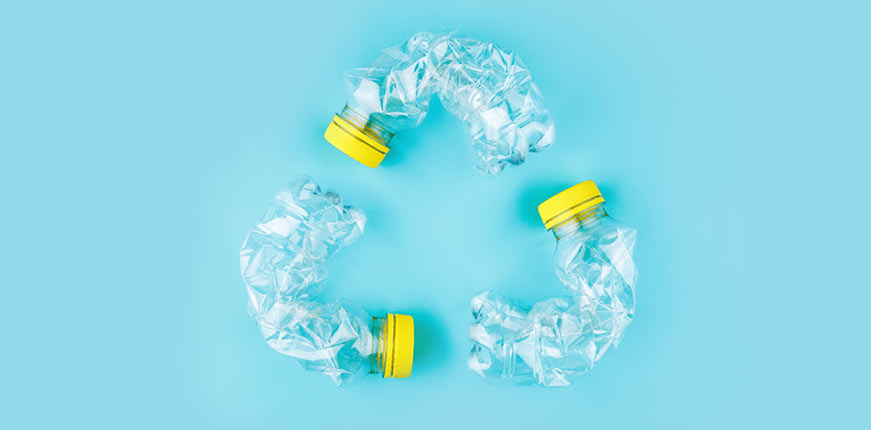
One of the main causes of environmental pollution is burying waste, dumping it into water or burning it. Much of this waste consists of waste paper, cardboard and cartons, branches and leaves, and scrap plastic and rubber. Each of these methods pollutes the environment in its own way; burning waste in the open air in particular releases gases such as CO, CO2, NH3, NO, NO2 and SO3, as well as lead compounds. Carried from place to place by wind, storms and rain together with dust, these pollutants harm the growth of plants and animals and cause disorders of the human respiratory system. So these methods are not the right way to deal with plastic and rubber waste. Moreover, fluctuations in the price of crude oil, its derivatives and petrochemical materials have encouraged proper recycling of solid waste instead of burning plastic and rubber, which releases the toxic gases mentioned above and pollutes the environment. Proper recycling of plastic waste can also produce new plastic products that might not be possible to make from petrochemical feedstock. Today, plastics and rubbers — synthetic polymers — hold a special place in industry, and when they become municipal or industrial waste, recycling them properly can play a very important role in preventing environmental pollution. It was once thought that burying plastic and rubber waste underground would get rid of it for a while, and that it would rot away like tree leaves. But where land shortages forced people to reuse land under which plastics had been buried, they found the plastic and rubber waste still there, unchanged. They concluded that burying polymer waste cannot be a real way of getting rid of it.
Plastics are classified by the materials used in them into 7 groups:
- PET: drinks bottles and mouthwash bottles.
- HDPE: milk containers, rubbish bins and detergent bottles.
- PVC: cooking-oil bottles and meat packaging trays.
- LDPE: manufactured containers, food containers and bread packaging.
- PP: yoghurt pots, shampoo bottles, drinking straws, margarine tubs and nappies.
- PS: hot-drink cups, household packaging, egg cartons and meat trays.
- OTHER: products made from more than one material that cannot be separated fall into this group.

Chart of recyclable plastic types


Leave a Reply
Want to join the discussion?Feel free to contribute!