
Polymer Truck Bed Liners: Benefits, Selection and Installation
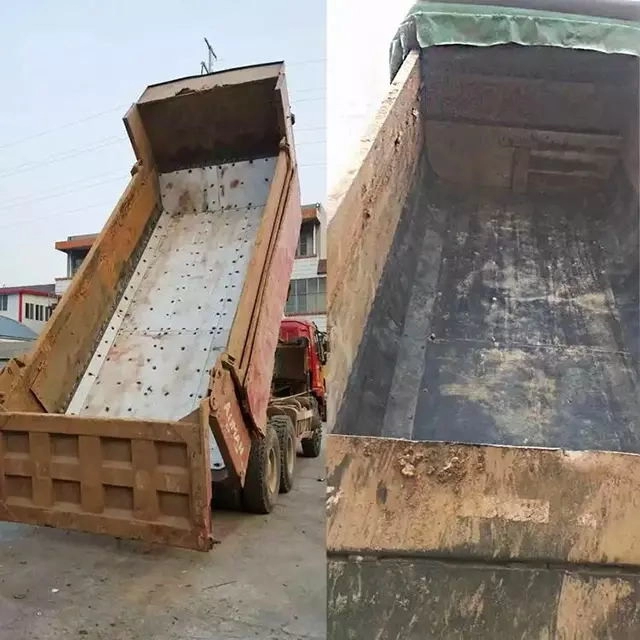
If you drive a dump truck or run a fleet of them, you know the scene well: wet clay, washed sand or frozen material sticks to the floor of the load bed, the hoist goes up to its maximum angle — and part of the load still stays behind. The result is lost time, manual cleaning with shovels, wear on the body and even a higher risk of rollover.
A polymer truck bed liner — also called a compressed polymer sheet, dump truck liner or plastic bed liner — is a solution that has spread quickly through construction-material haulage fleets in recent years and greatly reduces these problems. In this article we explain what it is, how it works, what benefits it offers, how to choose the right thickness and size, and what to keep in mind when installing and maintaining it.
What is a polymer truck bed liner?
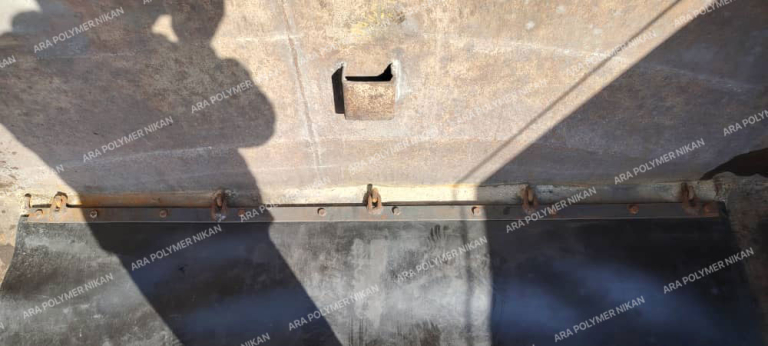
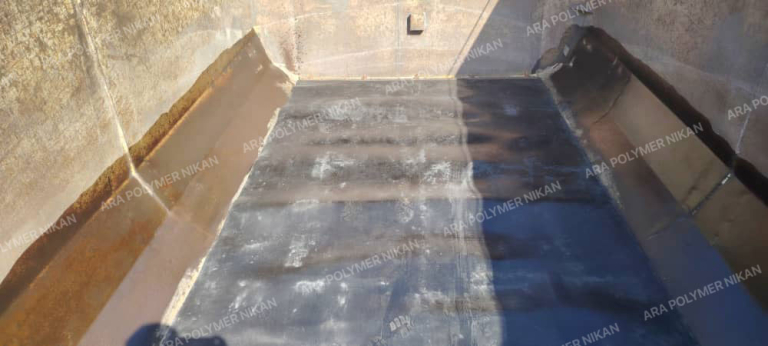
A polymer truck bed liner is a one-piece, flexible sheet made of high-density polyethylene (HDPE) that is laid on the floor of the load bed of a truck, dump truck or trailer. Its surface is very smooth, non-porous and low-friction, so material does not stick to it: when the hoist is raised, the load slides off the sheet in one mass and discharges.
Unlike a steel floor, which rusts over time, becomes uneven and grips the load more and more, a polymer surface stays smooth throughout its service life and resists moisture, chemicals and corrosion.
Why does material stick to the truck bed?
Material left on the floor after unloading — known as carry-back — has several main causes:
- Moisture and fine particles: clay, silt and wet sand lock onto a steel surface because of the cohesion of water.
- Rough, rusty floors: after a while a steel floor becomes worn and rusty, and particles get trapped in its irregularities.
- Freezing in cold weather: in winter the moisture in the load freezes onto the cold steel floor, effectively gluing the load to it.
- Load weight and road vibration: heavy loads and vibration on the road compact the material and press it against the floor.
Every kilogram left in the truck after unloading means fuel burned for nothing, less capacity for the next load and time lost on cleaning.
Benefits of a polymer liner for trucks and dump trucks
1. Fast, complete unloading
The low friction of the polyethylene surface lets the load start moving at a lower tipping angle and discharge all at once. Each unloading cycle becomes shorter, and each truck can make more trips per day.
2. Safer tipping
When the load sticks, the driver has to raise the body to its maximum angle or shake the truck. This raises the centre of gravity and increases the risk of rollover, especially on uneven or sloping ground. Workers also no longer need to climb into the bed to clear leftover material — a common source of workplace accidents.
3. Floor protection and lower repair costs
The polymer sheet acts as a protective layer between the load and the steel floor, taking the impact, abrasion and corrosion from moisture and chemicals instead of the body. The floor lasts longer, and plating and welding repairs are needed less often.
4. Fuel and time savings
Eliminating carry-back means the truck doesn’t haul extra weight on the return trip. The time previously spent on manual cleaning or washing the floor drops to almost zero.
5. Better performance in winter
Polyethylene is a poor conductor of heat, so moisture in the load hardly freezes onto it or sticks to it. Frozen loads stuck to the floor in cold weather become much less of a problem.
6. Easy to lay and remove
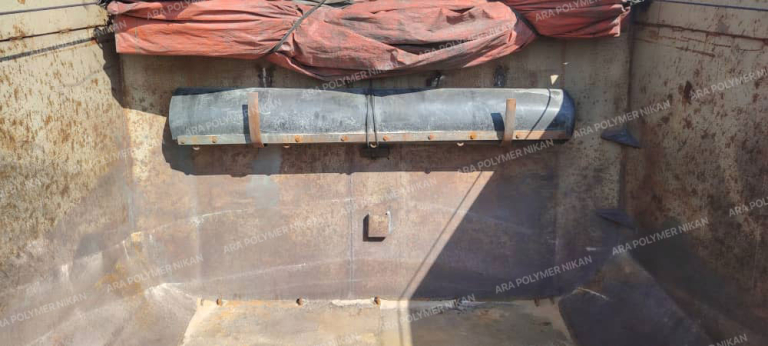
Ara Polymer Nikan bed liners are flexible and can be rolled up. The driver can spread or roll up the sheet without special tools or technical help and get it ready for the next load after unloading.
Applications
- Trucks and dump trucks hauling gravel, sand, soil and construction debris
- Tipper trailers carrying minerals, aggregates and gypsum
- Bulk agricultural materials such as fertiliser and harvested crops
- Waste and recycling trucks
- Fleets serving civil engineering projects, mines and municipalities
Technical specifications of Ara Polymer Nikan truck bed liners
| Material | High-density polyethylene (HDPE) produced with three-layer sheet technology |
|---|---|
| Thickness | 1 to 3 mm (made to order depending on the load) |
| Width | 1 to 2.1 m (to match the width of the load bed) |
| Roll length | Adjustable up to 50 m |
| Colour | Black, UV-resistant |
| Resistance | Abrasion, impact, moisture and chemicals |
| Features | Flexible, rollable and reusable without deforming or cracking |
How to choose the right liner
Thickness by load type
As a general guide:
- Fine, light loads (soil, sand, fertiliser): around 1–1.5 mm is usually enough.
- Medium loads (gravel, fine debris, gypsum): 2 mm offers a good balance of durability and weight.
- Coarse, abrasive loads (crushed stone, minerals): 3 mm gives more resistance to impact and abrasion.
For an exact recommendation, tell our specialists about your load type, the number of trips per day and your loading method (wheel loader, excavator or conveyor).
Size
The sheet should match the inside width of the load bed and cover the whole floor. Measure the inside length and width of the bed from the front wall to the edge of the tailgate and give us the dimensions when you order, so the sheet can be made to fit your truck exactly.
Raw material quality
Cheap sheets made from low-quality recycled material usually become brittle in sunlight and cold and crack quickly. Before buying, check the raw material, the evenness of the thickness and the sheet’s UV resistance.
Steel floor vs. polymer-lined floor
| Property | Plain steel floor | Polymer-lined floor |
|---|---|---|
| Load sticking | High, especially with wet loads | Very low |
| Tipping angle needed | High | Lower |
| Corrosion and rust | Yes | No |
| Frozen loads in winter | Common | Rare |
| Manual cleaning | Frequent | Almost none |
| Floor repair costs | High | Lower (the sheet protects the floor) |
Installation and maintenance tips
- Before laying the sheet, clear the bed floor of leftover material, sharp objects and protrusions.
- Position the sheet so it covers the whole floor and is well secured at the front edge so it doesn’t shift during loading.
- When loading with a loader or excavator, avoid dropping large, sharp rocks onto the sheet from a height.
- Polyethylene liners are not suitable for very hot loads such as hot asphalt; high temperatures soften and deform the sheet.
- When welding or cutting on the body, roll up the sheet or keep it away from the work area.
- Inspect the sheet regularly for cuts or holes to stop material getting underneath it.
Frequently asked questions
Does a polymer liner add much weight to the truck?
No. Polyethylene has a density of less than one gram per cubic centimetre; a 2 mm sheet measuring 2 × 6 m, for example, weighs about 23 kg — negligible compared with the load.
What loads is a truck bed liner not suitable for?
It is not suitable for high-temperature loads such as hot asphalt or hot slag. For very large, sharp rocks, a thicker sheet should be used and loading should be done with extra care.
Does installation require changes to the truck body?
With Ara Polymer Nikan roll-type liners, the driver spreads and rolls up the sheet without special tools. Ask our specialists about the best way to secure the liner on your truck.
How long does a liner last?
Service life depends on the load type, the number of trips per day and the loading method. Thanks to their high resistance to abrasion, impact and UV, quality HDPE liners last many times longer than ordinary sheets when used correctly.
Can liners be made to custom sizes?
Yes. Thickness, width and roll length can all be ordered to match your load bed and the material you haul.
Buy polymer truck bed liners from Ara Polymer Nikan
Ara Polymer Nikan has been manufacturing polymer products since 1995 and produces its truck bed liners using three-layer sheet technology and high-quality raw materials — a sheet with a perfectly smooth surface, high durability and excellent resistance to impact and wear.
Related products: HDPE compressed plastic sheet and three-layer geomembrane sheet.
For free advice, a price quote or a custom-size order, contact the Ara Polymer Nikan sales team.


Leave a Reply
Want to join the discussion?Feel free to contribute!