
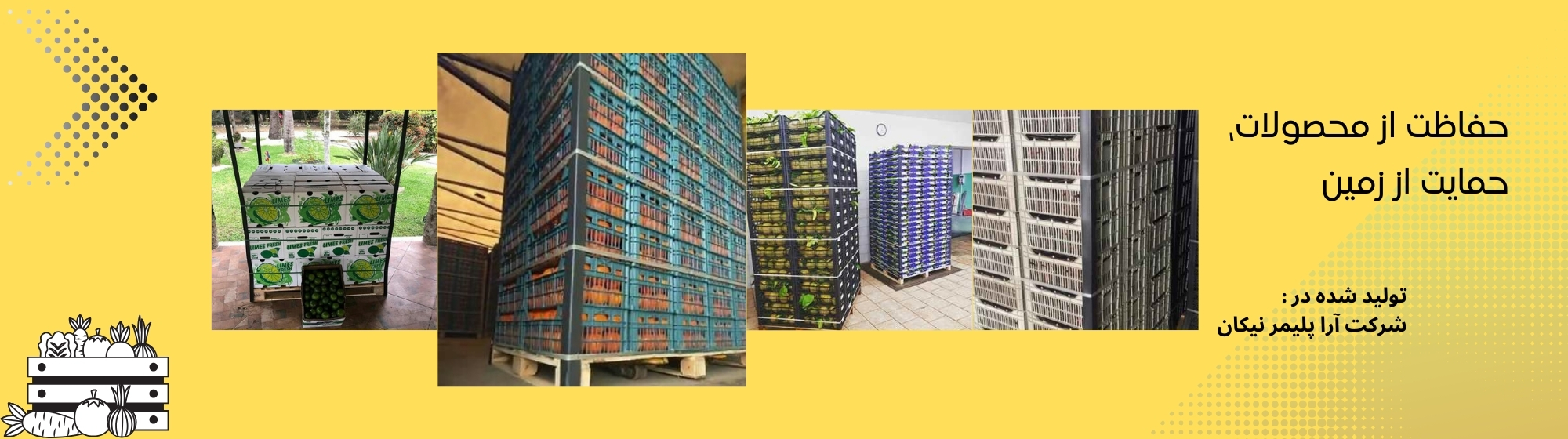
Packaging Equipment for Greenhouse and Farm Produce
Packing farm and greenhouse produce calls for equipment that protects it from knocks, pressure, changing conditions and the realities of transport.
In this article we go through that equipment one item at a time.
As demand grows for fresh, high-quality produce, packaging plays a big part in keeping its nutritional value and its looks. This is especially true of greenhouse crops, which are more sensitive to their environment and need packaging that prevents early spoilage from bruising or the weather.
The main reasons for using protective equipment when packing produce are:
Preventing physical damage
During transport, produce is squeezed, knocked and moved around again and again. Protective equipment such as plastic edge protectors, pallets and polymer strap guards reduces the pressure and prevents crushing and spoilage. It protects the edges and weak points of the load and spreads pressure evenly across the packages.
Less waste, better margins
Produce damaged on the way means higher costs and lost income. With the right protective equipment, farmers and greenhouse growers can cut waste and the cost of damaged goods. Customers end up happier too, because what they receive is fresh and undamaged.
Building customer trust
Shoppers want produce that is fresh and of good quality. When it arrives undamaged and well packed, their trust in the brand or grower grows. That trust strengthens the brand, lifts sales and becomes a real competitive advantage.
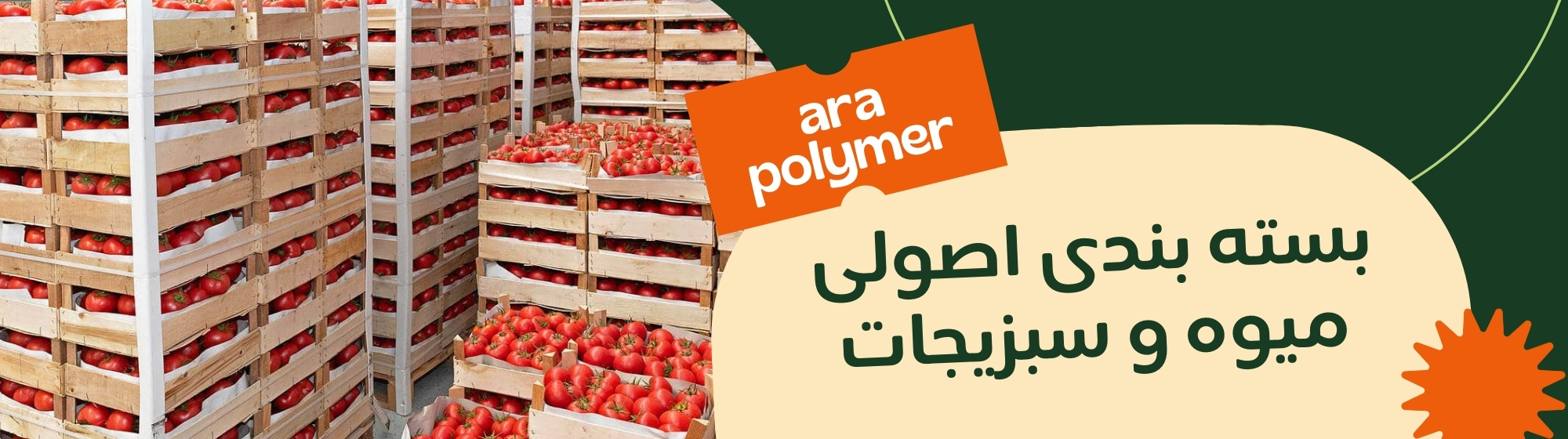
What Do You Need to Pack Fruit and Vegetables Properly?
In this section we look at everything you need for proper packaging.
1- Plastic Edge Protectors
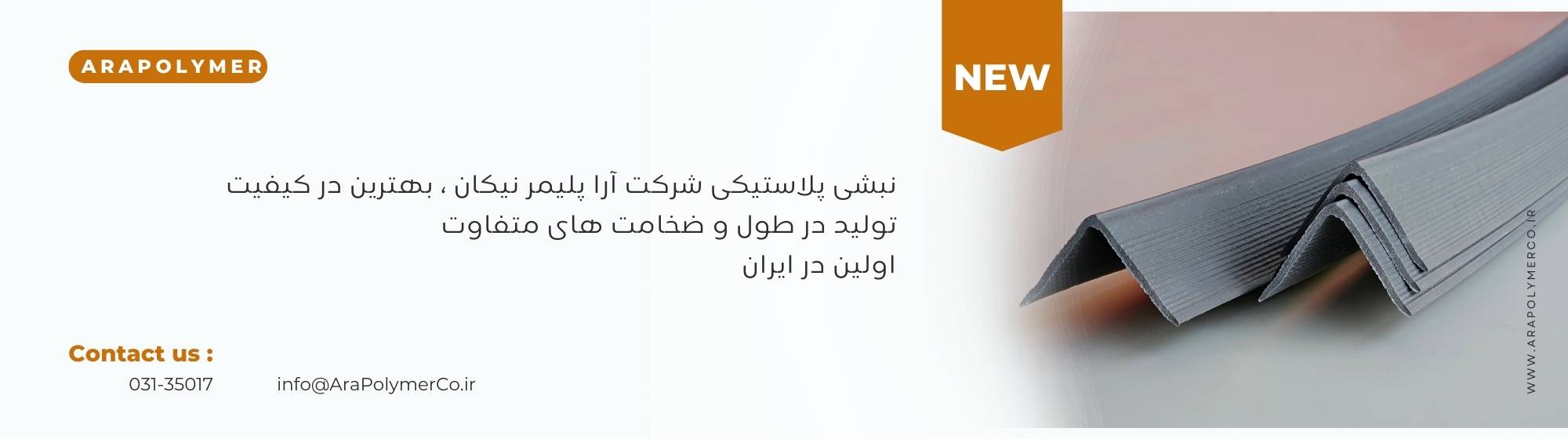
Securing pallets of fruit and vegetables with plastic edge protectors is an efficient way to protect delicate produce during handling and transport. It suits fruit and vegetables that bruise easily under pressure or impact particularly well. Here is how plastic edge protectors work on pallets and what they bring:
Protecting corners and edges
Plastic edge protectors sit on the edges and corners of the pallet load and shield these weak points from strap pressure and knocks. This matters most for produce in fairly soft, fragile packaging, because it stops the boxes from deforming and the produce from being crushed.
Spreading strap pressure evenly
Straps hold the load together on the pallet, but they can press on the boxes at single points and damage the produce. Edge protectors spread the strap pressure evenly and prevent dents and crushed boxes, which helps the produce keep its quality for longer.
A more stable, stronger load
On pallets of fruit and vegetables, plastic edge protectors make the whole load stronger. They stop the boxes from shifting during transport and improve the overall stability of the pallet, which lowers the risk of damage on long journeys.
Moisture resistance
Plastic edge protectors are made from tough polymers that stand up well to moisture and all kinds of weather. Moisture resistance also helps prevent contamination and spoilage, especially for fruit and vegetables that are sensitive to damp.
Easier storage and stacking
With plastic edge protectors, packed pallets are stronger and more stable and can be stacked safely on top of each other. That matters in the warehouse: it frees up space and helps cut storage costs.
Plastic Edge Protector Selection Table
- Model
- Model 1 (thin)
- Model 2 (medium)
- Model 3 (thick)
- Weight per metre
- 240~260 g
- 310~330 g
- 360~380 g
- Leg length
- 5 cm
- 5 cm
- 4.5 cm
- Thickness
- 3 mm
- 4 mm
- 4.5 mm

Ara Polymer Nikan is proud to be the first manufacturer of plastic edge protectors in Iran, producing them in any thickness and length with outstanding quality.
To see product details and prices, click here.
2- Heavy-Duty Plastic Pallets
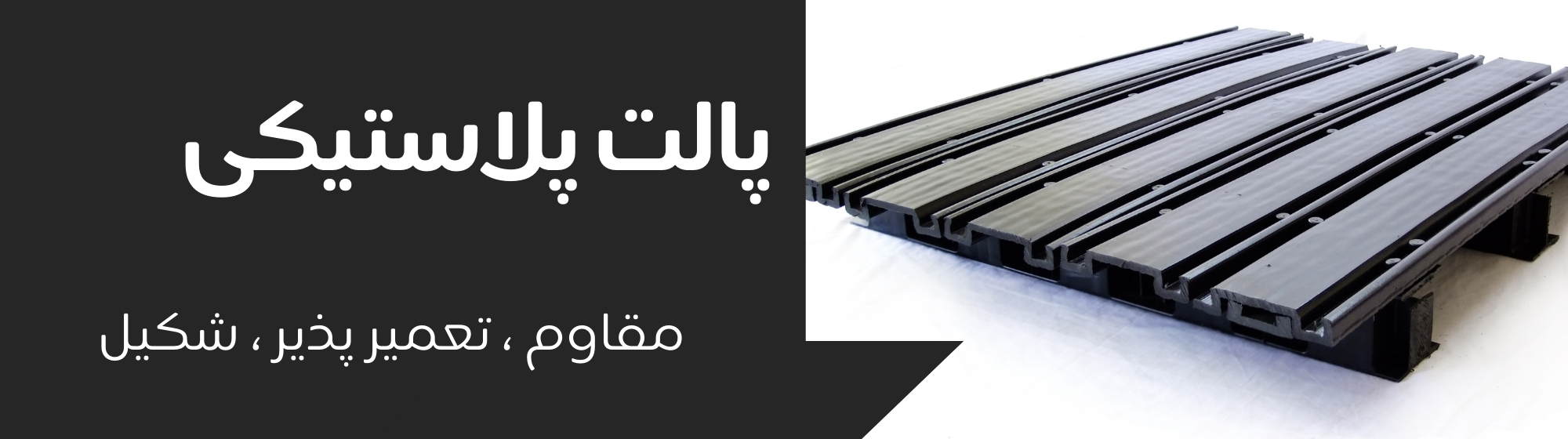
Using plastic pallets for fruit and vegetables is a popular, efficient way to move and store these delicate products. Their strength, light weight and reusability make them a natural choice in agriculture. Here are the main advantages:
Better protection for delicate produce
Plastic pallets are made from tough polymers that resist impact and pressure well, so produce is protected through repeated handling, road vibration and the odd knock. Their smooth, even deck keeps easily bruised fruit and vegetables safer.
Resistant to moisture and contamination
Unlike wooden pallets, plastic pallets are not affected by moisture and do not rot in damp areas or cold stores. That matters for hygiene as well: plastic pallets resist contamination and the growth of bacteria and fungi, so the produce stays clean all the way to its destination.
Easy to wash and disinfect
Plastic pallets are easy to wash and disinfect, which is important for produce that has to meet strict hygiene standards. Because they can be washed and reused, they are also an economical, environmentally friendly option.
Strong yet light
Plastic pallets are sturdy and at the same time very light. This makes handling easier and transport simpler and cheaper; the low weight also cuts fuel use and other transport costs.
Ara Polymer plastic pallets can be made in different sizes, can be repaired, and carry very heavy loads.
To learn more about this product, click here.
3- Polymer Strap Guards

Using plastic strap guards when packing fruit and vegetables is an effective, low-cost way to keep produce in good condition in transit. Thanks to their shape and strength, strap guards prevent damage from strap pressure and make the package more stable. Here is why they are worth using:
Protecting packages from strap pressure
Straps compress the load and hold it on the pallet, but a strap pressing directly on a carton or crate of fruit and vegetables can dent it and damage the produce. Plastic strap guards sit under the straps, spread the pressure and prevent dents and crushed packaging.
A more stable, stronger package
Plastic strap guards make the package stronger. They stop the boxes from moving during transport and make the whole load steadier, which is important for keeping fruit and vegetables in good condition on long routes.
Lower costs, longer life
Plastic strap guards are usually reusable and stand up well to moisture and the environment. This lowers packaging costs, makes the packaging last longer and gives farmers and distributors better value for money.
Drawing on hands-on packaging experience, Ara Polymer Nikan has developed and manufactures plastic strap guards.
To see this product, click here.
4- Packaging Straps
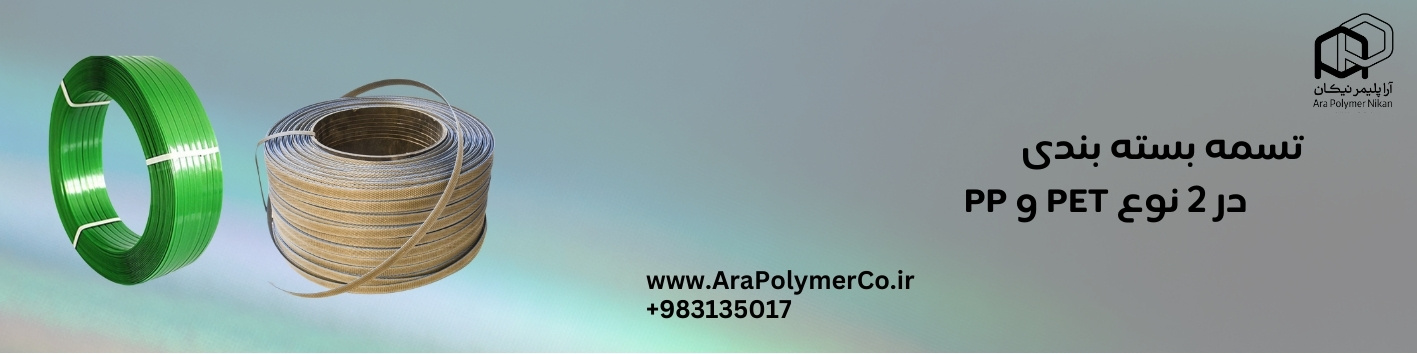
Strapping with PET and PP straps is one of the modern, efficient ways to keep products safe and secure in transport and storage. Thanks to their particular properties, these straps are among the main tools of industrial packaging. Here is why they are used:
1. High resistance to tension and impact
Thanks to their high tensile strength, PET and PP straps stop packages from shifting or coming apart in transit. This is vital for heavy or delicate goods such as metal coils or building products.
2. Light and flexible
PET and PP straps are strong yet light and easy to use. Their flexibility means they can be used in many kinds of packaging, even for fragile or delicate products.
3. Resistant to moisture and the environment
One important feature of PET and PP straps is their resistance to weather, moisture and UV. This keeps the package secure in all kinds of conditions, from open-air yards to long journeys.
4. Lower costs and recyclability
PET and PP straps are usually made from recyclable raw materials. This helps the environment and also lowers packaging costs, and their durability means they can often be reused.
5. Used across many industries
These straps are used in steel, timber, plastics, food and agriculture. Their versatility has made them the first choice of many producers and distributors.
6. PET vs PP straps
PET straps usually have a higher tensile strength than PP straps and suit heavy, large loads better. PET also stands up better to heat and UV, which makes it ideal for long-term outdoor use. PP straps, on the other hand, are lighter, more flexible and more economical, and are mostly used for lighter products.
To order either type of strap, contact our sales team.
To sum up, polymer packaging equipment such as plastic pallets, plastic edge protectors and plastic strap guards plays an important role in keeping fruit and vegetables fresh and in good condition during transport. By spreading pressure evenly, resisting moisture and making packages stronger, these tools protect produce from damage, cut waste and improve profitability. They extend shelf life, keep the produce looking good, build trust between grower and consumer, and help protect the environment.