
Why Choosing the Right Cold Store Flooring Matters So Much
Cold stores are the beating heart of the supply chain for food, medicine and many other sensitive goods. In these environments temperature and humidity are tightly controlled, and the slightest mistake in choosing equipment can lead to serious financial losses. One of the key elements in designing and operating a cold store properly is the cold store flooring.
Basic requirements for cold store floors:
High resistance to moisture and freezing
Ability to bear heavy static and moving loads
Air circulation to prevent moisture building up under products
Easy washing and disinfection
Resistance to chemicals and industrial detergents
Long service life with no need for frequent repairs
Insulation against heat and moisture transfer
Given these requirements, traditional floor coverings such as wood, terrazzo tiles or metal sheets are no longer enough. This is where polymer cold store floor pallets come in as a specialist solution.
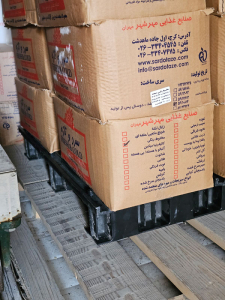
Cold air circulation: the most hidden factor in food safety
One of the most important points that cold-store engineers often overlook is proper air circulation at floor level. If the floor is covered with continuous, non-porous surfaces, air cannot circulate freely, which can raise the dew point and cause local freezing, mould and premature spoilage of products.
With their special engineered design, polymer pallets ensure airflow and help refrigeration equipment work more efficiently.
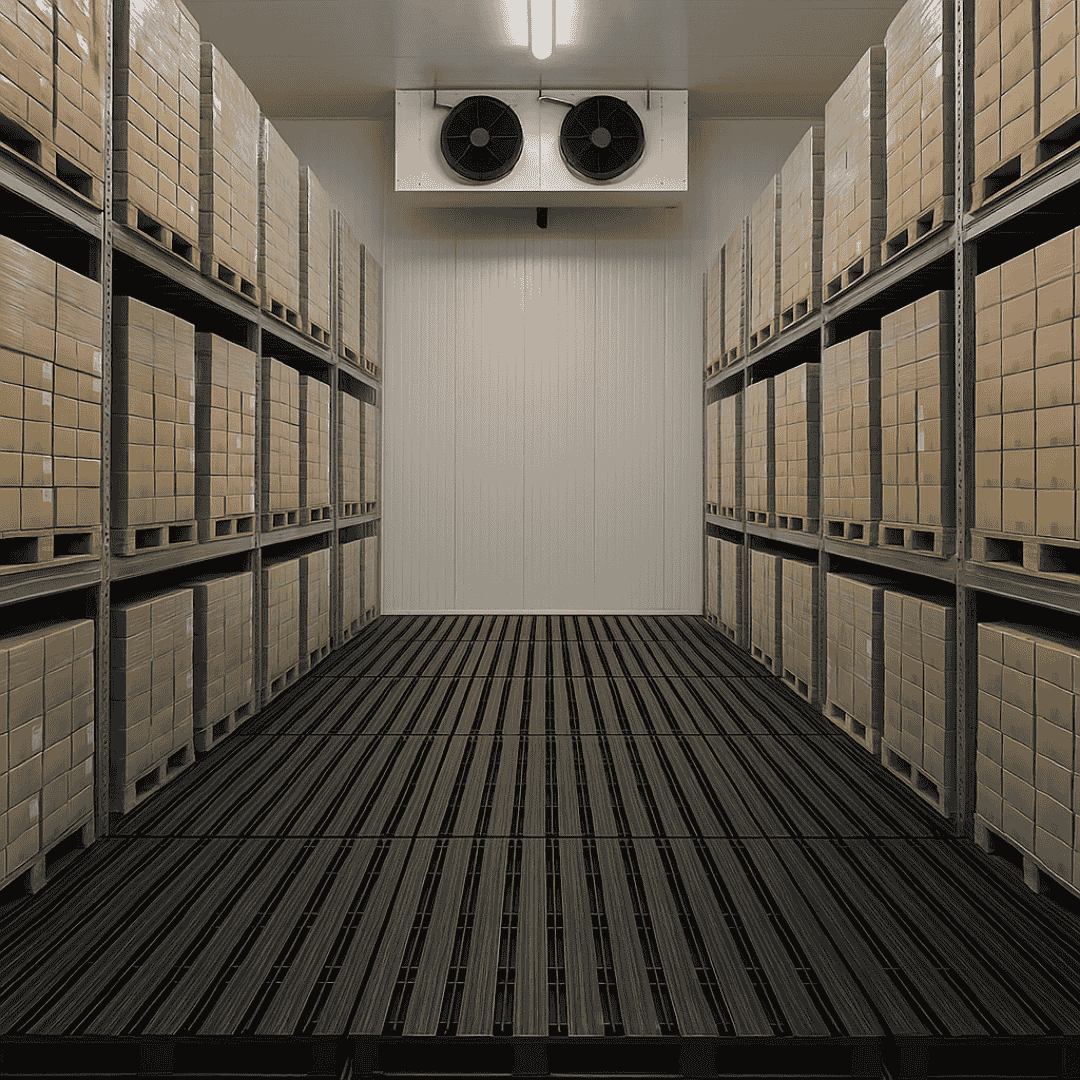
What is a polymer plank pallet and why is it right for cold store floors?
Polymer plank pallets are an engineered polymer floor covering. Their design creates constant airflow between the floor and the products above, preventing moisture build-up and freezing.
Technical features of polymer plank pallets:
- Specialist design allowing continuous ventilation
- High load capacity (over 20 tonnes in heavy-duty versions)
- Anti-slip and impact-resistant
- No moisture absorption, preventing mould and the build-up of insects and pathogens
- Easy installation without special equipment
- Can be separated, moved and repaired when needed
- High resistance at low temperatures (down to -40 °C)
The economic benefits of pallet flooring in cold stores
- Lower energy costs by helping cold air spread evenly
- Longer floor life and fewer repairs
- Lower contamination risk thanks to a non-absorbent, washable surface
- Faster handling of goods and better internal logistics
Which cold stores are polymer plank pallets recommended for?
- Fruit and vegetable cold stores
- Meat and poultry cold stores
- Dairy cold stores
- Cold stores for medicines and vaccines
- Warehouses for export food products
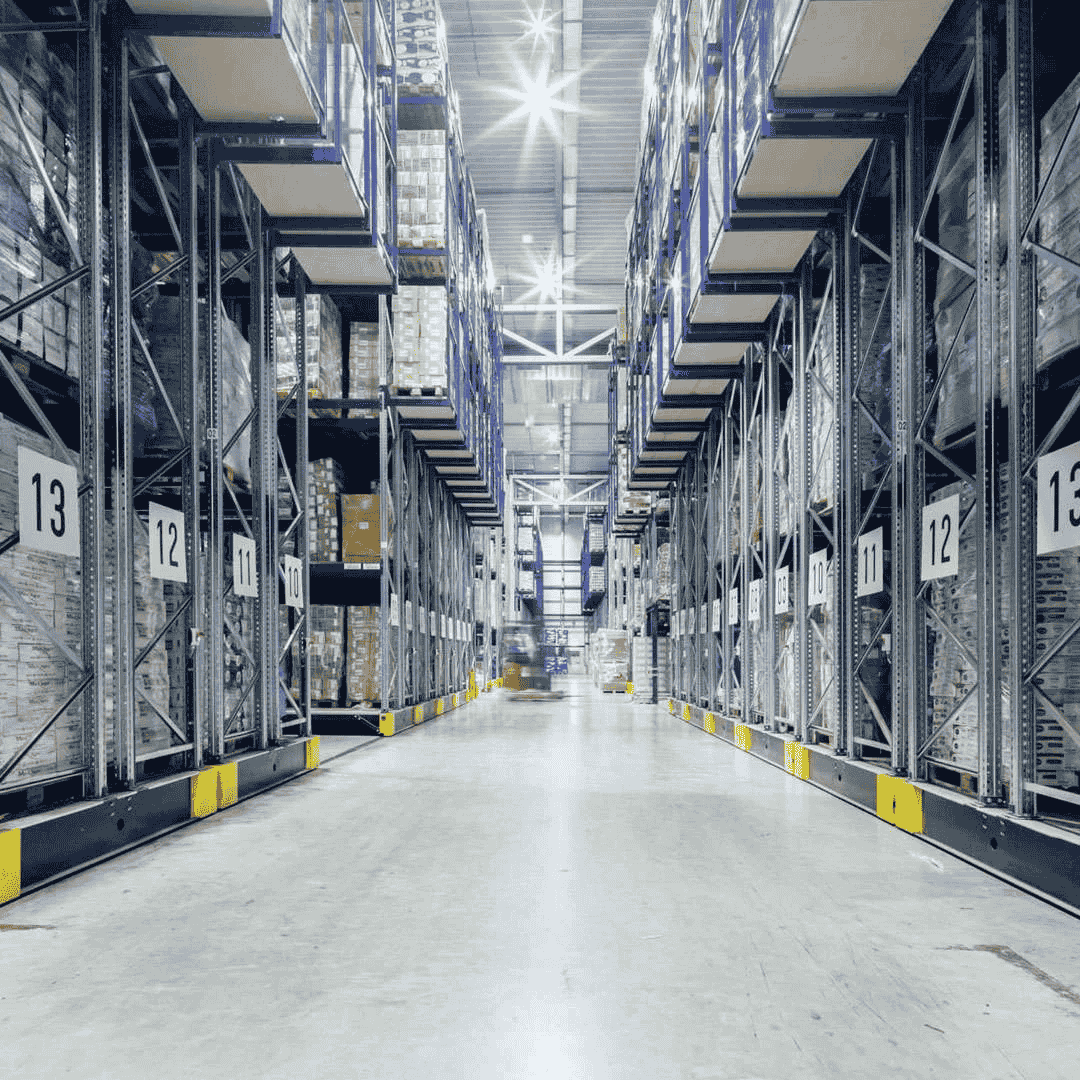
Why Ara Polymer Nikan polymer pallets are a smart choice for cold store floors
With more than a decade of experience producing industrial packaging and storage equipment, Ara Polymer Nikan has designed and supplies polymer plank pallets for cold store floors that:
- can be used at -40 °C
- can be produced in any size the customer needs
- can carry loads of up to 20 tonnes
- have an engineered design for optimal air circulation
Conclusion
When choosing cold store flooring, strength and appearance aren’t the only things that matter. Technical features, air circulation, resistance to freezing and hygiene are all vital to how well a cold store performs. Ara Polymer Nikan polymer plank pallets are a specialist answer to all of these needs.
📞 For free advice and a sample, contact the Ara Polymer Nikan sales team today.
You can also see the specifications of this product here.



