
How to Choose the Right Plastic Edge Protectors for Packaging
In industrial packaging, protecting products from possible damage during transport and storage is very important. One of the most important tools for this is the plastic edge protector.
These protectors act as a protective layer between the strap and the product and prevent damage to sensitive edges. Choosing the right plastic edge protector not only protects products better but can also reduce costs.
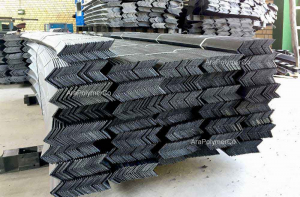
What are plastic edge protectors and what are they used for?
Plastic edge protectors are parts made of tough plastic that are widely used in packaging to protect the corners and edges of products. They are especially useful for goods with sharp or sensitive edges such as cardboard, wood, metal and other industrial materials. They help packaging straps distribute pressure evenly and prevent damage to products.


Types of plastic edge protectors by material
1. Polyethylene (PE)
- Properties: polyethylene is widely used in packaging. It is softer and more flexible than polypropylene while offering good resistance to impact and pressure.
- Advantages: high flexibility, impact resistance and suitability for low temperatures (cold resistance).
- Applications: ideal for products that need extra protection against impact, especially in cold environments.
2. Polyvinyl chloride (PVC)
- Properties: PVC edge protectors are strong and can be made transparent. They have a smoother, neater finish than other types but are more brittle than polyethylene protectors and can crack under high pressure.
- Advantages: high chemical resistance, long service life, available in various colours and in transparent form.
- Applications: suitable for industrial and chemical products, and where the product needs to be visible from outside.
Benefits of plastic edge protectors
- Edge protection: the main job of plastic edge protectors is to protect the product’s edges and corners from damage caused by strap pressure and impacts.
- Lower costs: by preventing damage to products, they reduce the need for repairs or replacements, which lowers overall packaging costs.
- Greater safety: plastic edge protectors keep straps in place and stop them slipping or shifting, making transport safer.
- Weather resistance: plastic edge protectors resist moisture and temperature changes, making them suitable for all kinds of weather.
How do you choose the right plastic edge protector?
Plastic edge protectors are used in many industries. Here we recommend suitable protectors for different needs:
- Palletising agricultural produce: light produce
Edge protectors are used for packaging light produce such as peppers, tomatoes, garlic and similar crops. They help spread strap pressure evenly and prevent damage during transport.
For this group, protectors 3 mm thick or more are recommended.Heavy fruit
Edge protectors are widely used for packaging heavy fruit such as apples, pomegranates, oranges, watermelons, kiwis and melons. Because of their weight and sensitivity to pressure, these fruits need secure packaging, and polyethylene protectors help preserve their shape and quality in transit.
This group needs stronger protectors; a thickness of 4 mm or more is recommended. - Palletising building and decorative stone: plastic edge protectors create a secure framework for transporting stone and protect the edges of stone slabs and decorative bricks.
Thanks to their high strength, polyethylene edge protectors are used to palletise heavy stone such as marble, granite, travertine and other building and decorative stone.
Thick protectors, such as 5 mm protectors, are recommended for these products. - Palletising tiles and ceramics: like building stone, tiles and ceramics are heavy and sensitive in transit, so they are palletised with plastic edge protectors. Managers in this sector have found that although edge protectors add to packaging costs, they more than pay for themselves by preventing breakage in transit.
For this group, protectors 4 mm thick or more are recommended. - Other industrial uses: metal or wooden products
These protectors are also used for packaging metal and wooden products whose edges need protection, such as metal profiles, wooden boards and similar high-value products.
Plastic edge protectors are also used when packaging large machines that are strapped for shipping.
In this category, the product’s sensitivity, weight and other parameters determine the thickness, which can range from 3 to 5 mm.
- Application
- Light agricultural produce
- Heavy agricultural produce
- Building and decorative stone
- Tiles and ceramics
- Other industries
- Minimum thickness
- 3 mm and above
- 4 mm and above
- 5 mm
- 4 mm and above
- 3 mm and above, depending on sensitivity and weight
- Length
- Custom length
- Custom length
- Custom length
- Custom length
- Custom length
The future of plastic edge protectors in packaging
As technology advances and the needs of the packaging industry grow, plastic edge protectors are expected to see new innovations, including biodegradable materials and smart designs that not only protect products but also help reduce environmental impact.
Ara Polymer Nikan of Isfahan, a pioneer in plastic edge protectors
We’re here to help you choose the best option
With the help of our consultants and specialists, you can choose the best option for packaging your goods properly.
We can produce fully customised products based on your needs.
Get in touch with us.