

Description
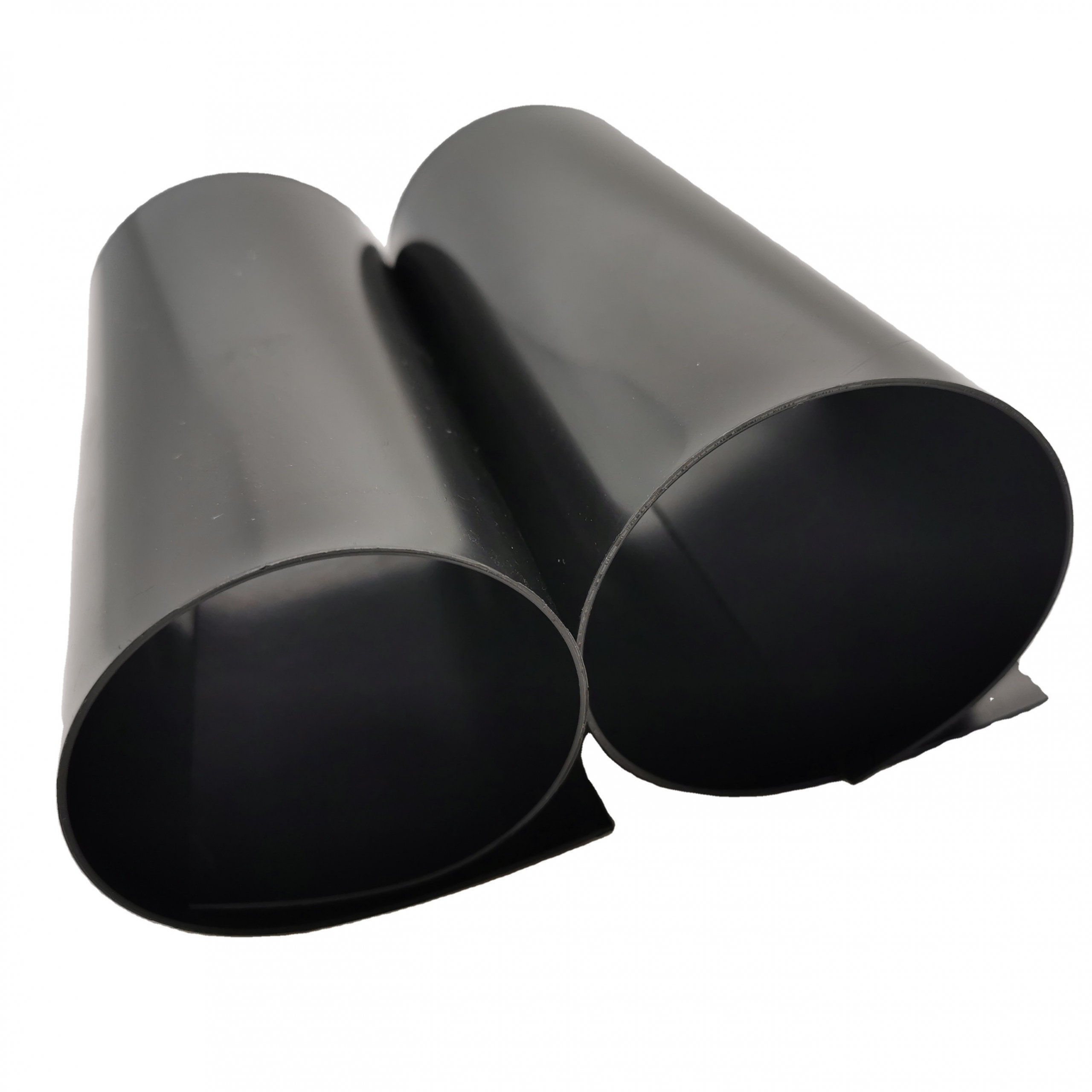
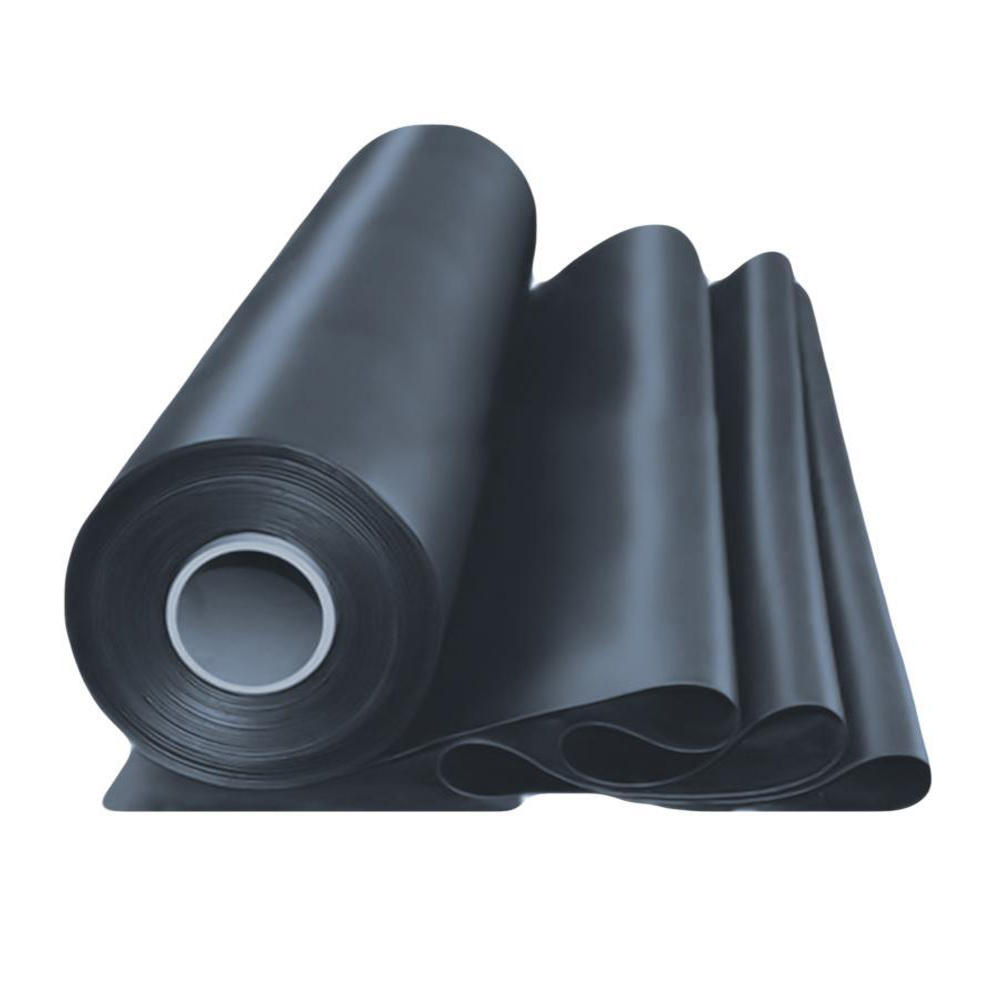
Compressed polymer sheet, or geomembrane
This type of sheet is used in many industries for lining and to prevent fluid seepage, and is usually made of high-density polyethylene. Geomembranes are now very widely used because they install quickly, cut costs and last a long time.
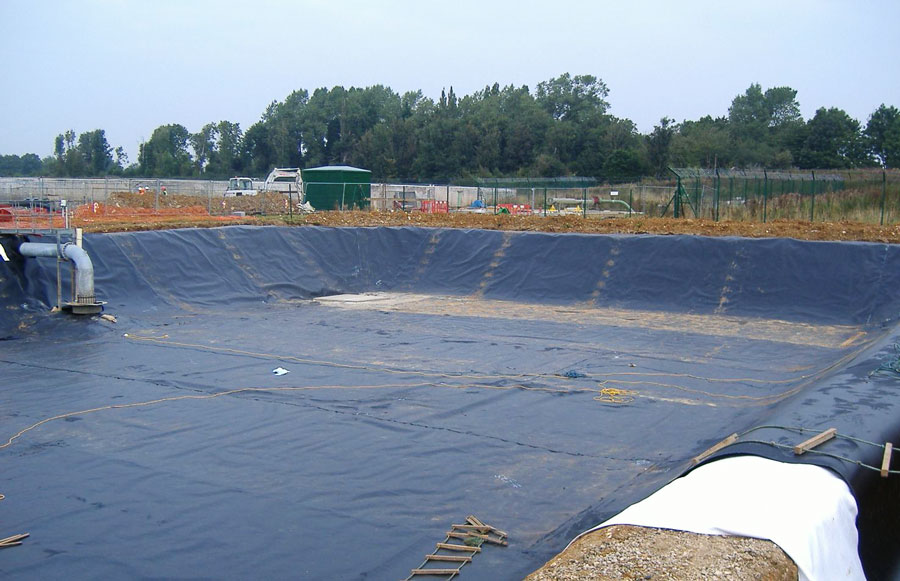
Geomembranes are produced as continuous, relatively thin polymer sheets. To line ponds large and small, the sheets are heat-welded together to form a single, fully sealed surface.
They are tough liners, highly resistant to UV light and chemicals. Their flexibility and long life have made them common in oil and gas, the chemical industry, water and wastewater, landfill, agriculture, aquaculture and mining.
What makes Arabel three-layer geomembrane different
We use both high-density (HDPE) and linear low-density (LLDPE) polyethylene in a three-layer structure, produced at Ara Polymer Nikan on state-of-the-art machinery. The HDPE middle layer gives excellent tensile and compressive strength, while the LLDPE outer layers add flexibility, resistance to tearing and puncture, and very good heat welding.
HDPE geomembrane: sheets made from high-density polyethylene have higher tensile and compressive strength than linear low-density grades, along with very good electrical and chemical resistance. That makes them widely used for lining tanks and pipes and for covering areas where chemicals are present. They are easy to heat-weld, and at room temperature no solvent attacks them. Carbon-black stabilisers or pigments are used to limit the damaging effects of ultraviolet radiation.
LLDPE geomembrane: sheets made from linear low-density polyethylene are more flexible and elongate further before failure, which suits surfaces that settle or move.
This post is also available in: