

Description
What is a batten?
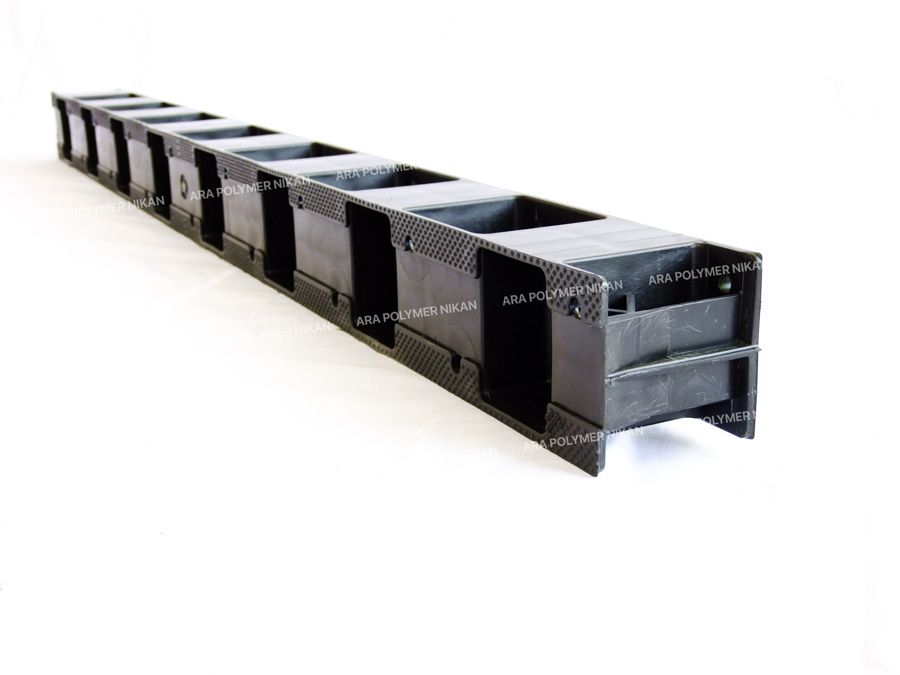
A batten is a piece cut into a cube or rectangle with four flat, even faces. It can be made of wood, plastic (polymer) or even metal. Thanks to its regular shape and precise dimensions, the batten is widely used in construction, sandwich panel production, aluminium, steelmaking and more.
Weaknesses of the wooden batten:
Sensitive to moisture and rot: wood is vulnerable to damp and water and may rot, grow fungus or change shape, which shortens its life in wet environments.
Flammable: wood ignites easily and resists fire poorly, which brings safety risks.
Constant maintenance: wooden battens need painting, disinfecting and regular upkeep to protect them from the environment.
Dimensional change: wood shrinks and swells with temperature and humidity, which can affect the quality and strength of the structure.
Long-term cost: despite a relatively low initial price, maintaining and replacing wooden parts can cost a lot over time.
Limited colours and designs: wood is naturally limited in colour and finish, and changing its appearance means painting or extra finishing.
Strengths of the plastic batten:
Resistant to moisture and rot: the polymer batten is completely resistant to damp, water and rot and can be used outdoors and in wet environments without trouble.
Fire resistance: with the right additives, some polymer battens are highly fire resistant and reduce the risk of ignition.
No maintenance: the polymer batten needs no painting, disinfecting or regular upkeep and is easy to clean.
Dimensional stability: polymers keep their shape and size as temperature and humidity change.
This post is also available in: